 squirrelworks

The foundation of this build is a Deskhaus 3-stage standing desk frame. Unlike standard 2-stage models, this architecture utilizes dual-column legs on each side to maximize stability at full extension. This "over-engineered" approach ensures that the high-mass monitor array remains stationary during rapid typing or height transitions.
The tabletop consists of a custom composite surface. While a minor shipping "roadblock" resulted in a chipped corner, it was accepted to maintain the deployment timeline. The desk is integrated into an "L" configuration with a secondary static table, providing dedicated zones for primary computing and legacy system management.
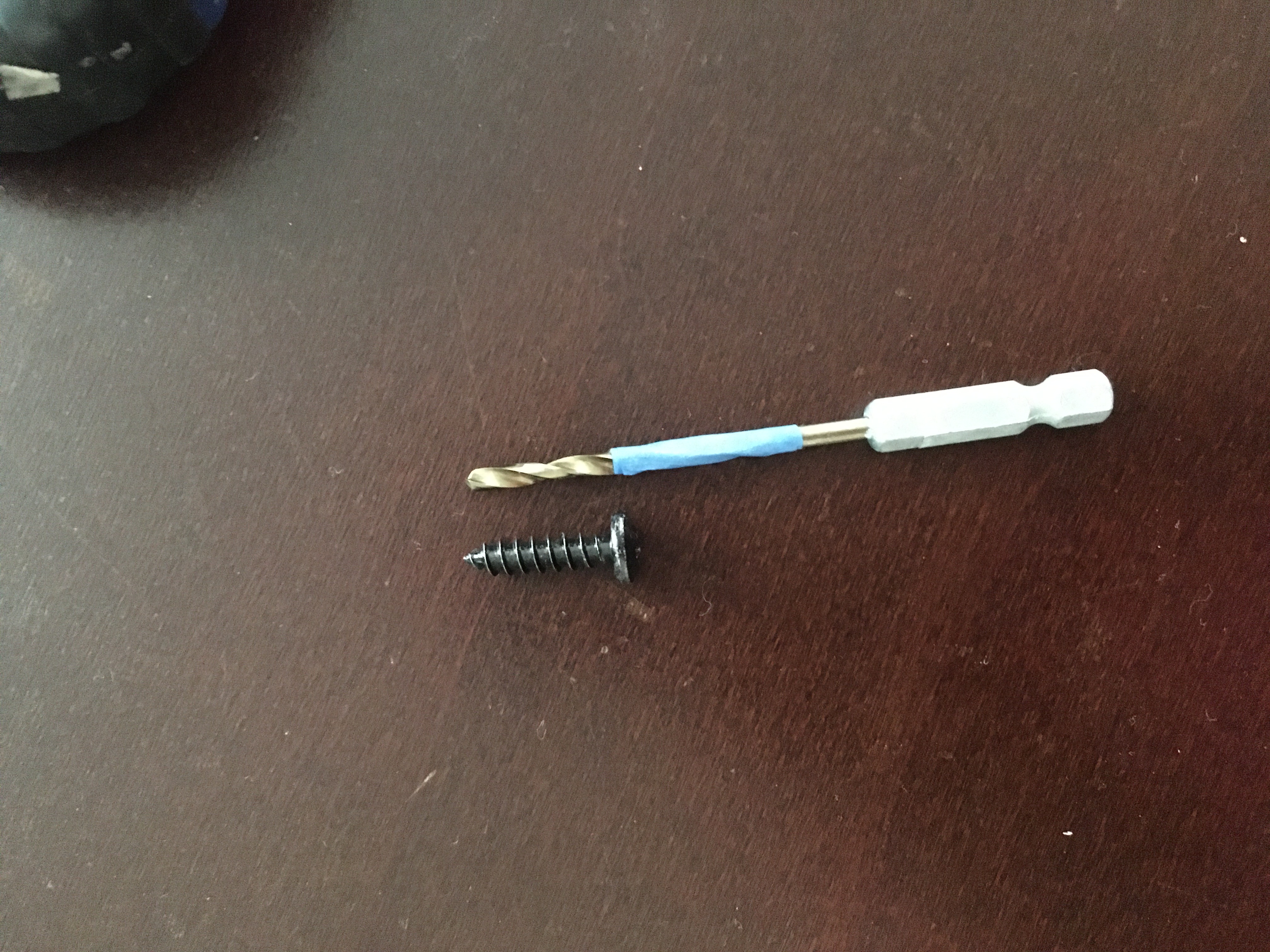
To secure the Deskhaus frame to the composite top, pilot holes were drilled to ensure structural integrity and prevent splitting of the tabletop material. This step is critical for a "clean" installation that can withstand the torque of the lifting motors.

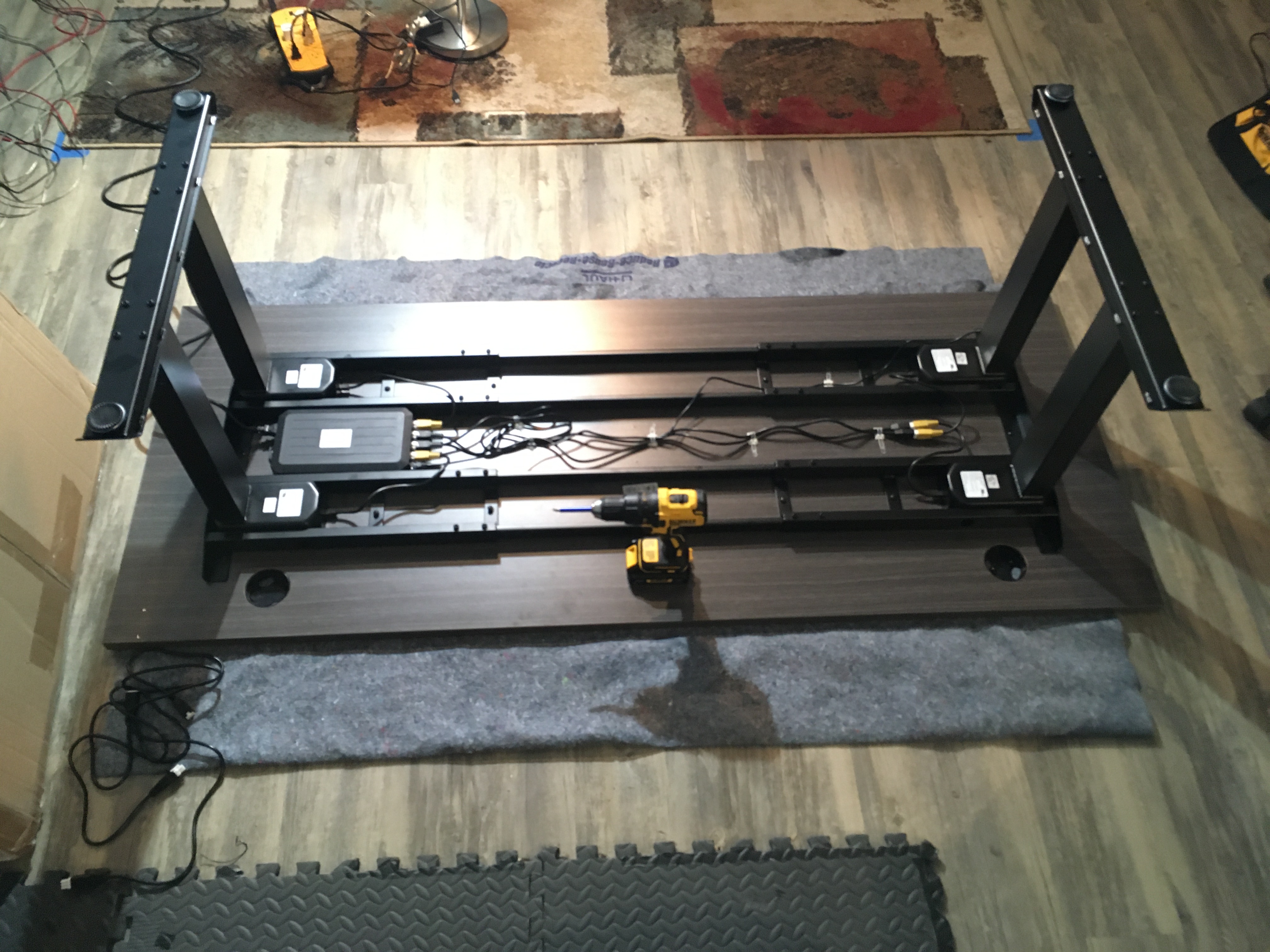
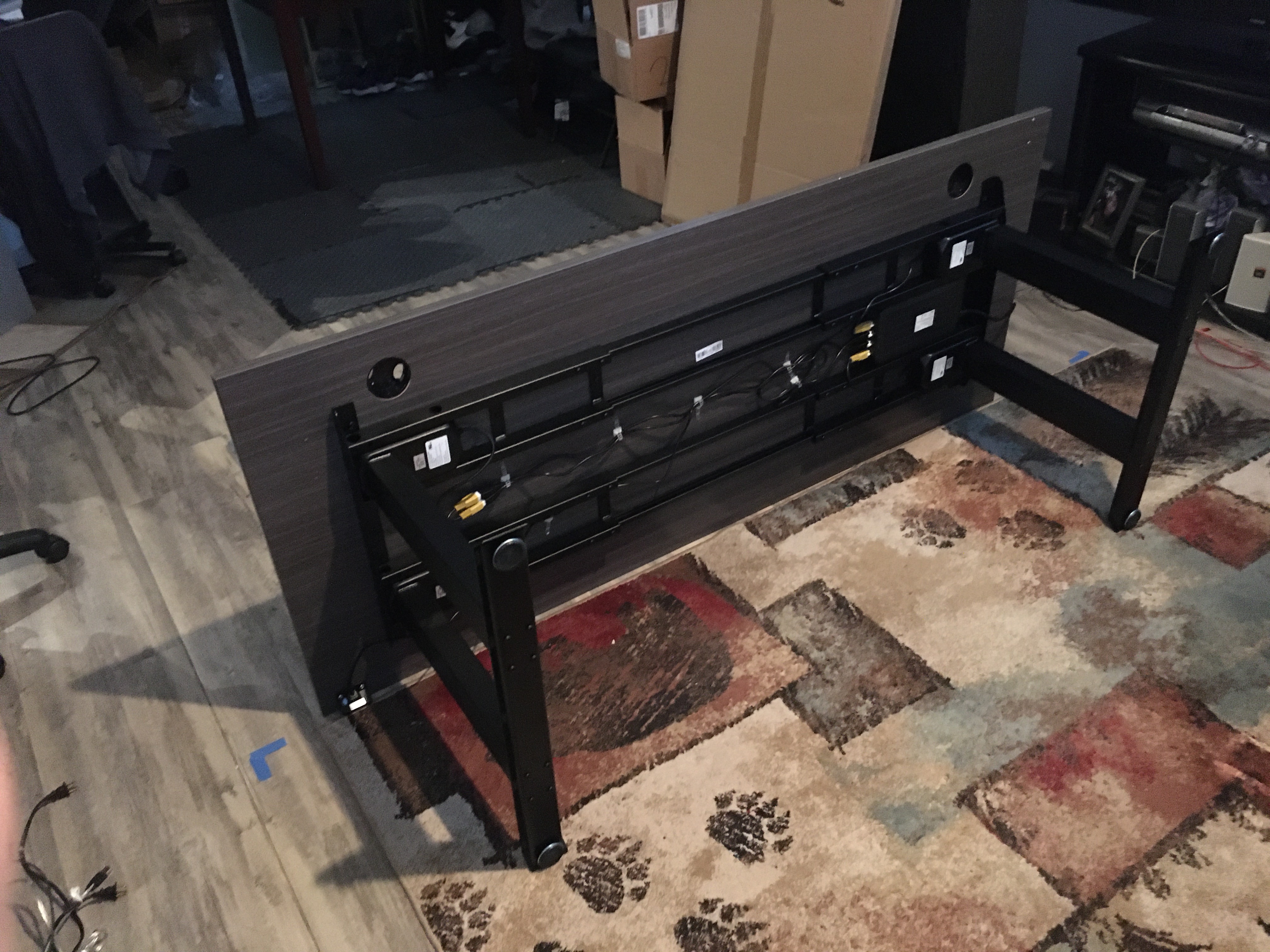
Due to the significant weight of the dual-leg system, assembly was relocated to the floor. This allowed for the frame to be fully torqued before being flipped upright. The 3-stage legs are visible here, providing the necessary vertical travel for an ergonomic range of motion.


The setup evolved from a dual-monitor system to this full 4-monitor array. The original system's 2-monitor setup is integrated via the legacy "L" table, creating a functional bridge between the old and new systems. There's an iMac thrown in the mix, too.


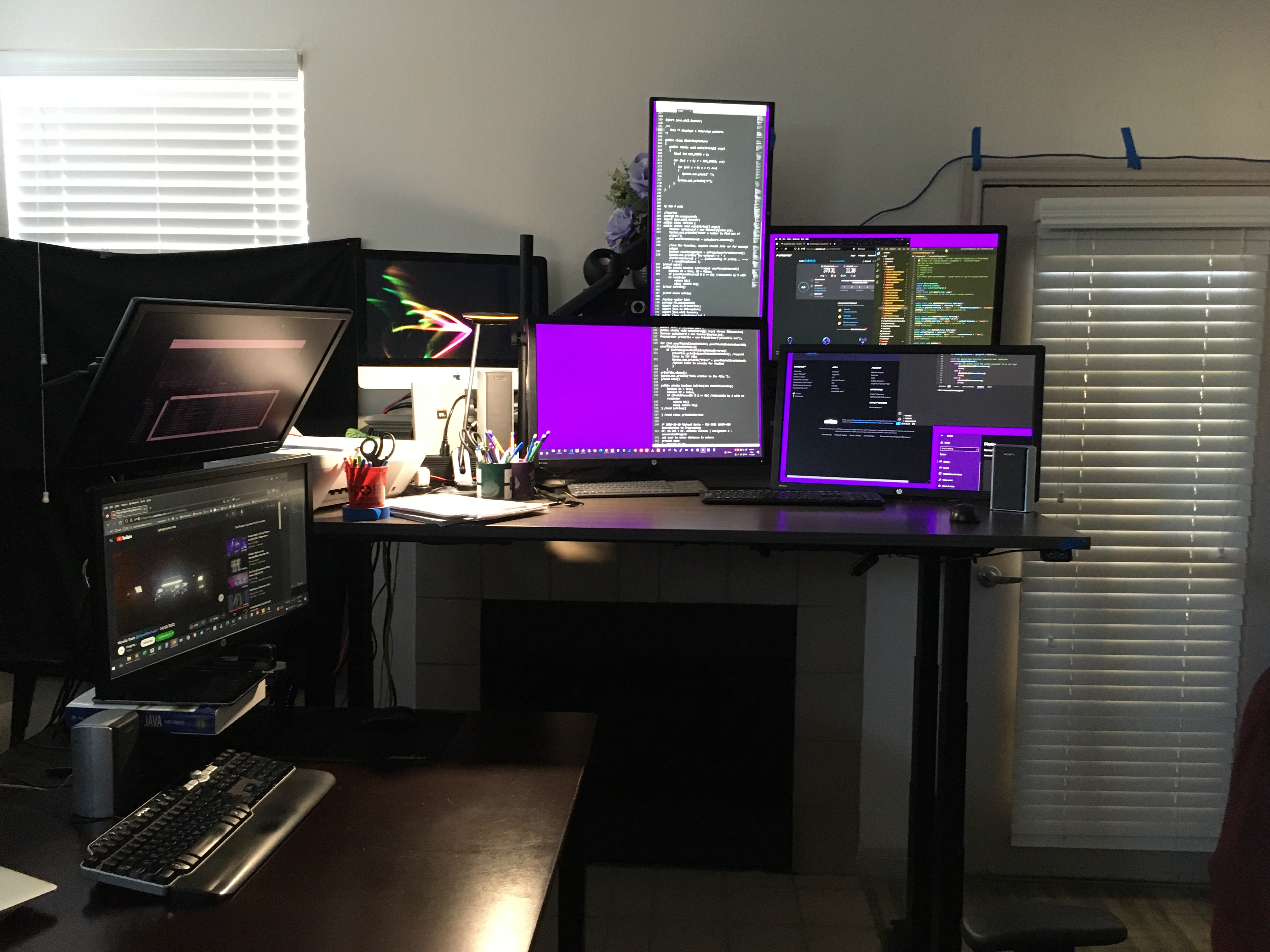

A 3-stage lift offers a wider range of motion than standard frames. This allows the desk to go lower for a perfect 90° elbow angle while seated and higher to accommodate the custom 5-inch riser platforms used for the input devices.
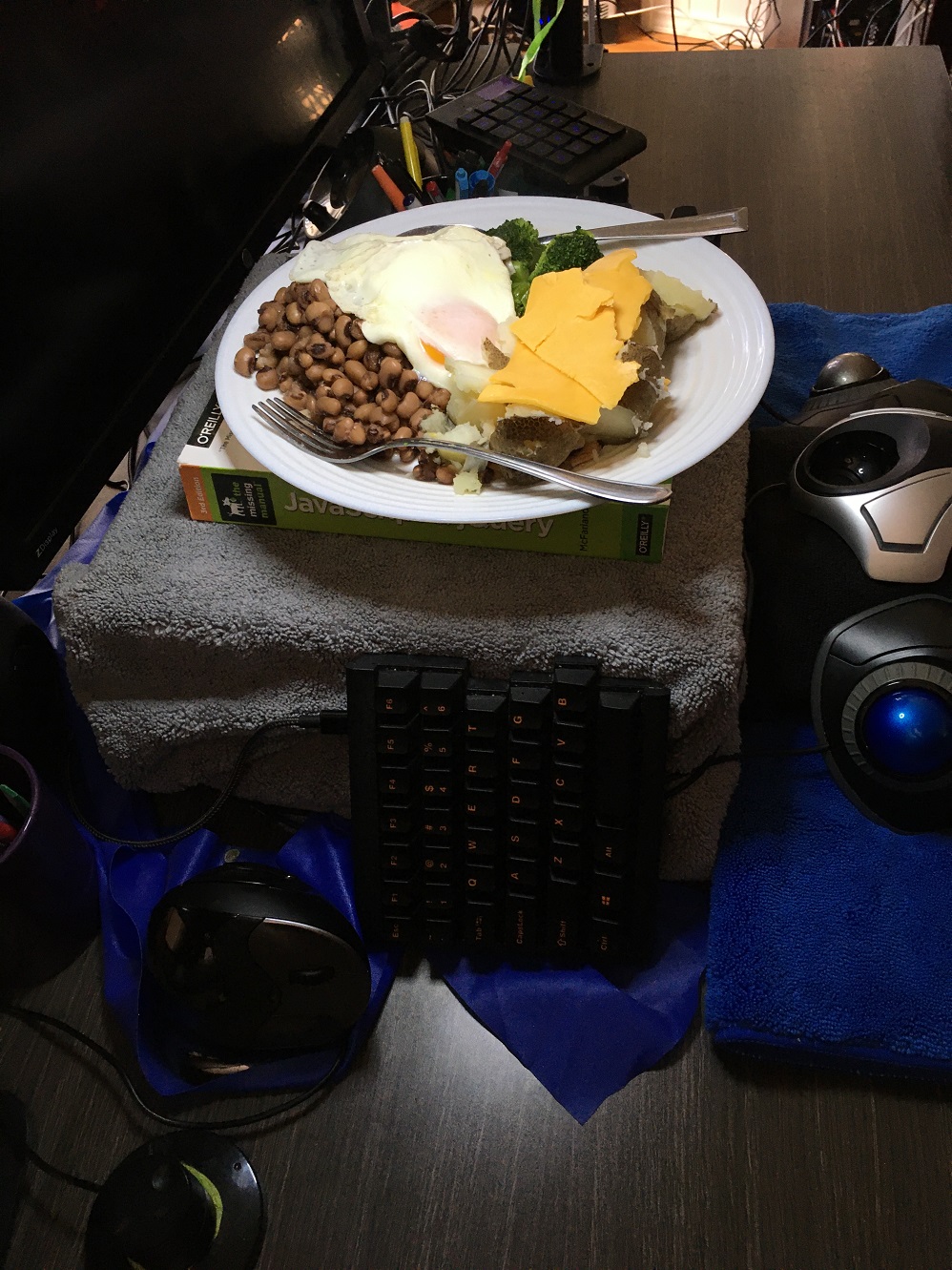
To achieve a neutral typing position, a custom 12"x12" riser was constructed. This 5-inch elevation serves as the structural anchor for the split keyboard configuration, moving the work "up and in" to prevent slouching.
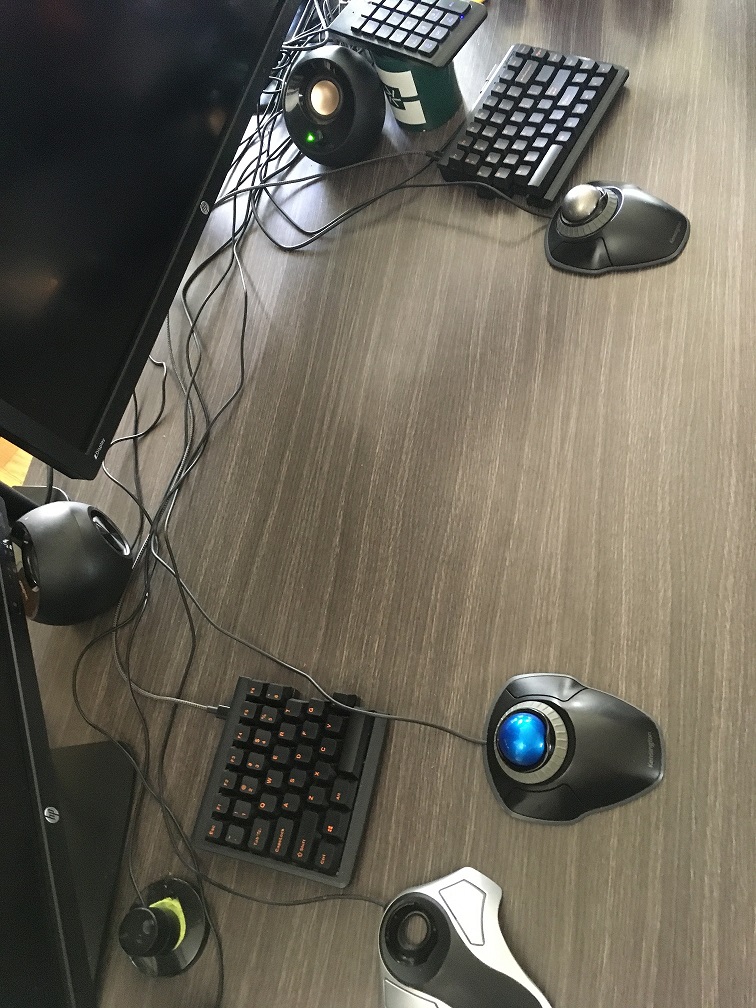
To prevent "hardware drift" and provide tactile comfort, high-quality microfiber detailing towels and physical therapy bands are utilized. These layers allow the keyboards to maintain a steep 70-degree vertical tilt without slipping.
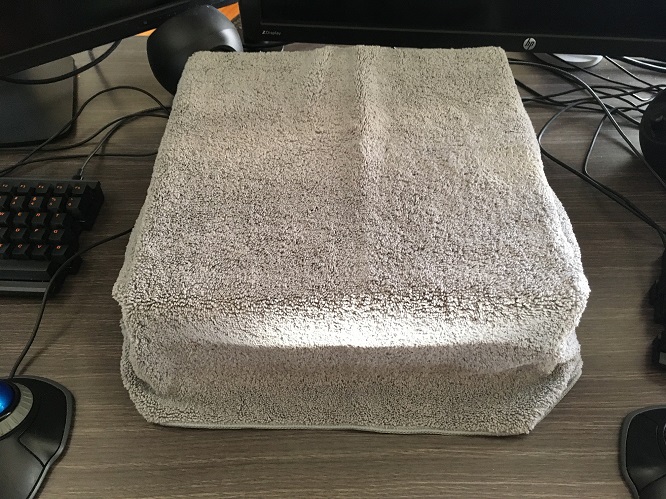
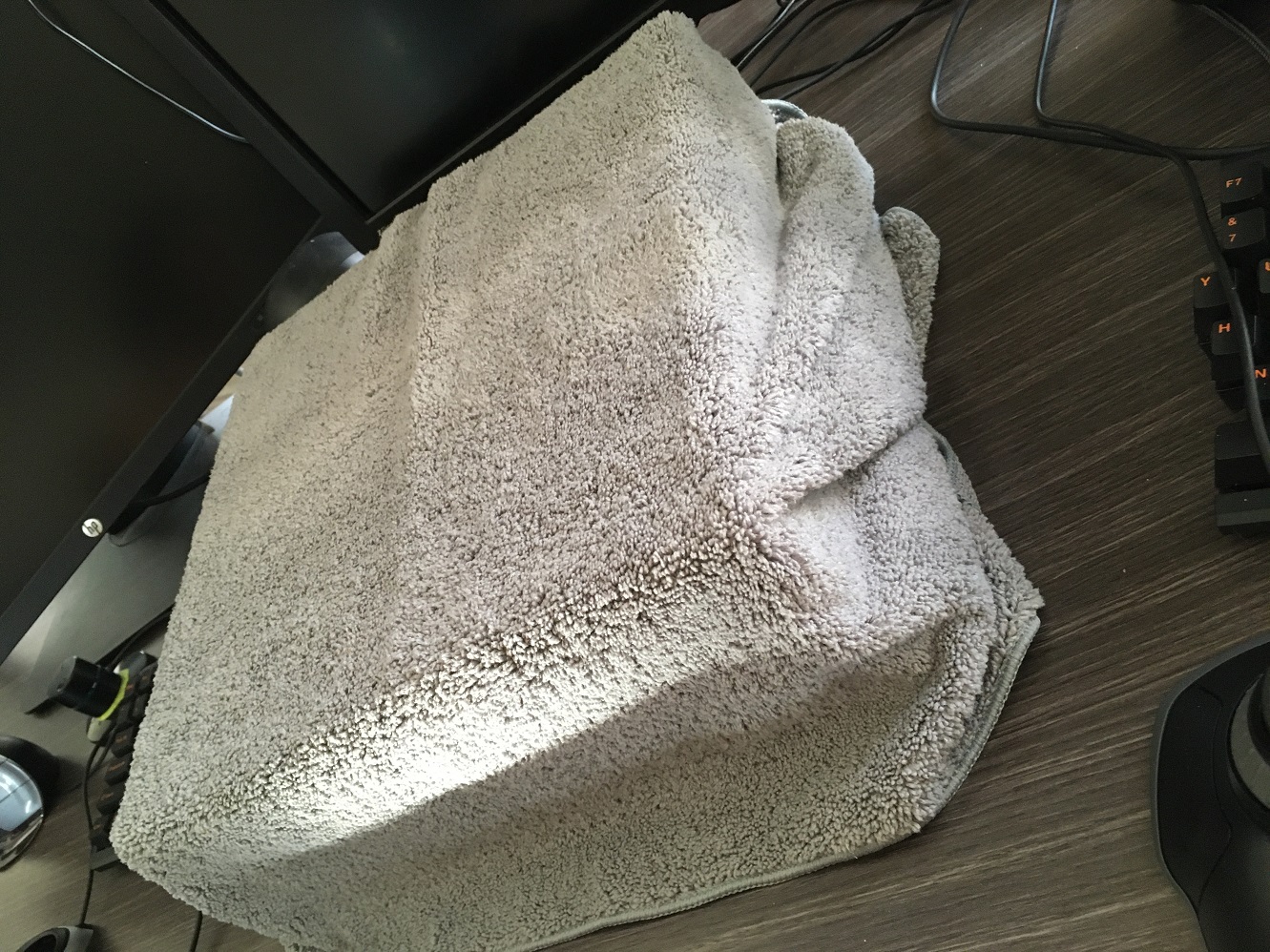
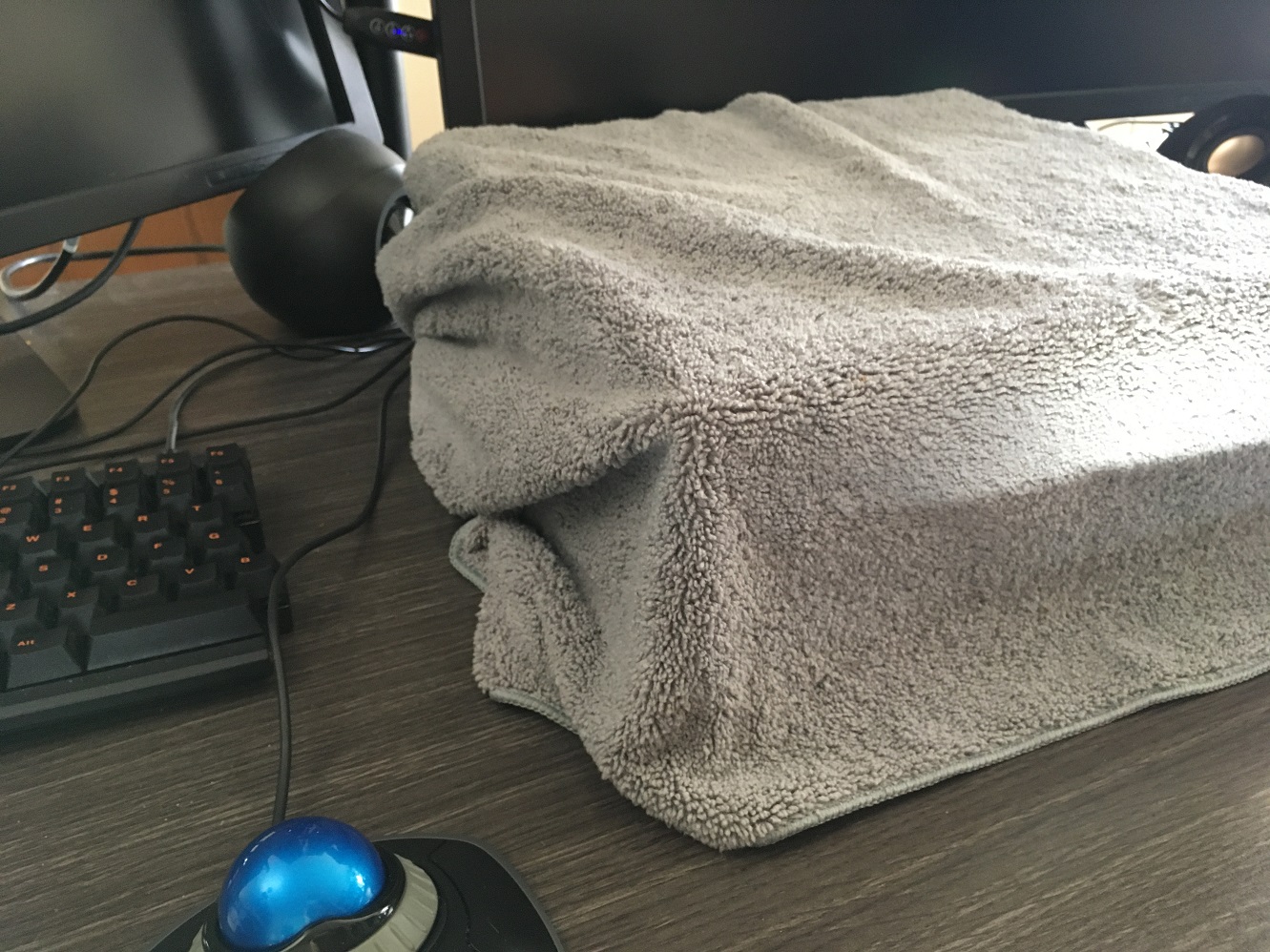
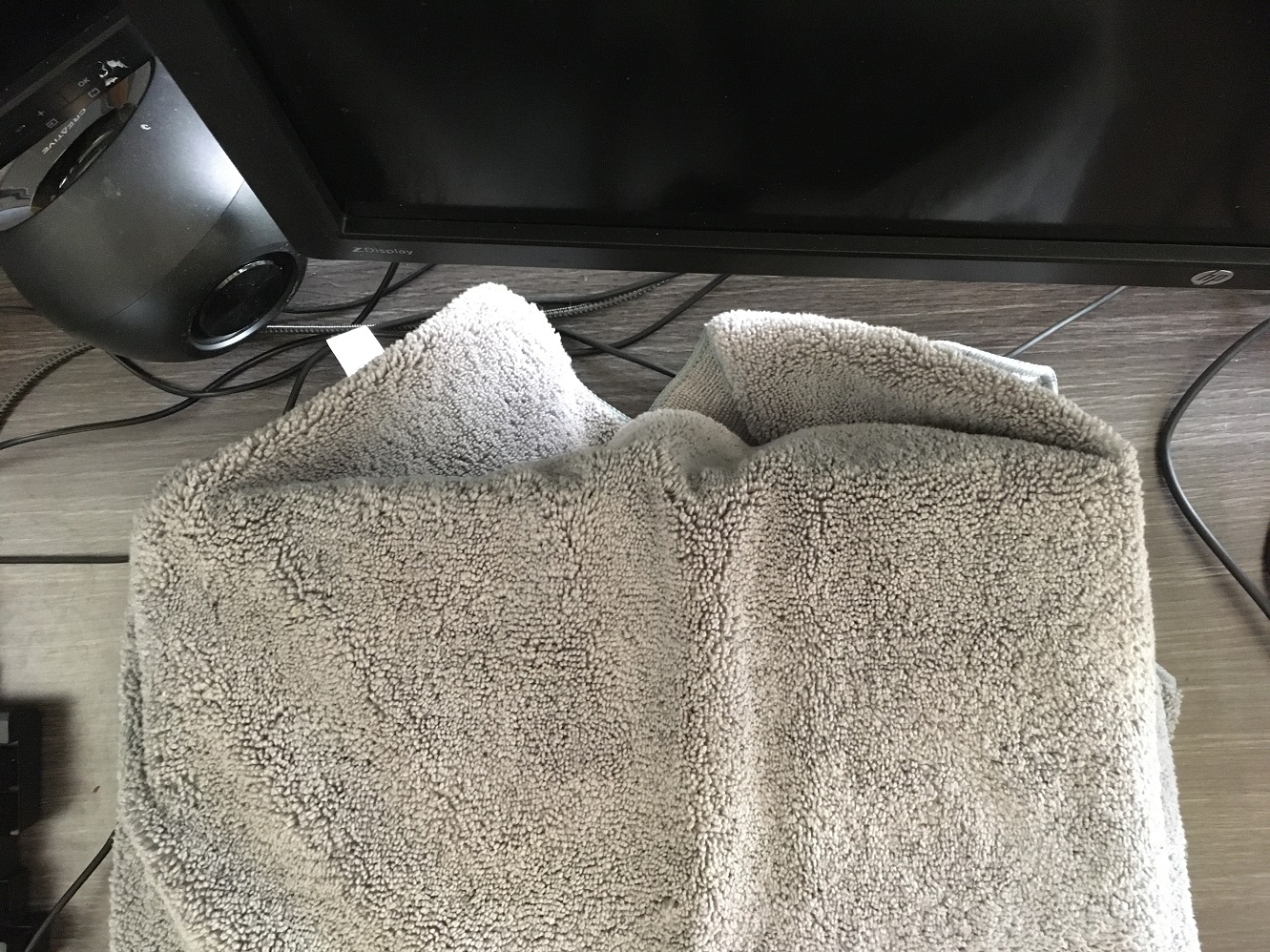

The system utilizes three distinct trackballs to distribute physical load. The 70-degree keyboard tilt aligns the hands in a "handshake" position, while the trackballs are molded by towels to a 30-degree angle for navigation.


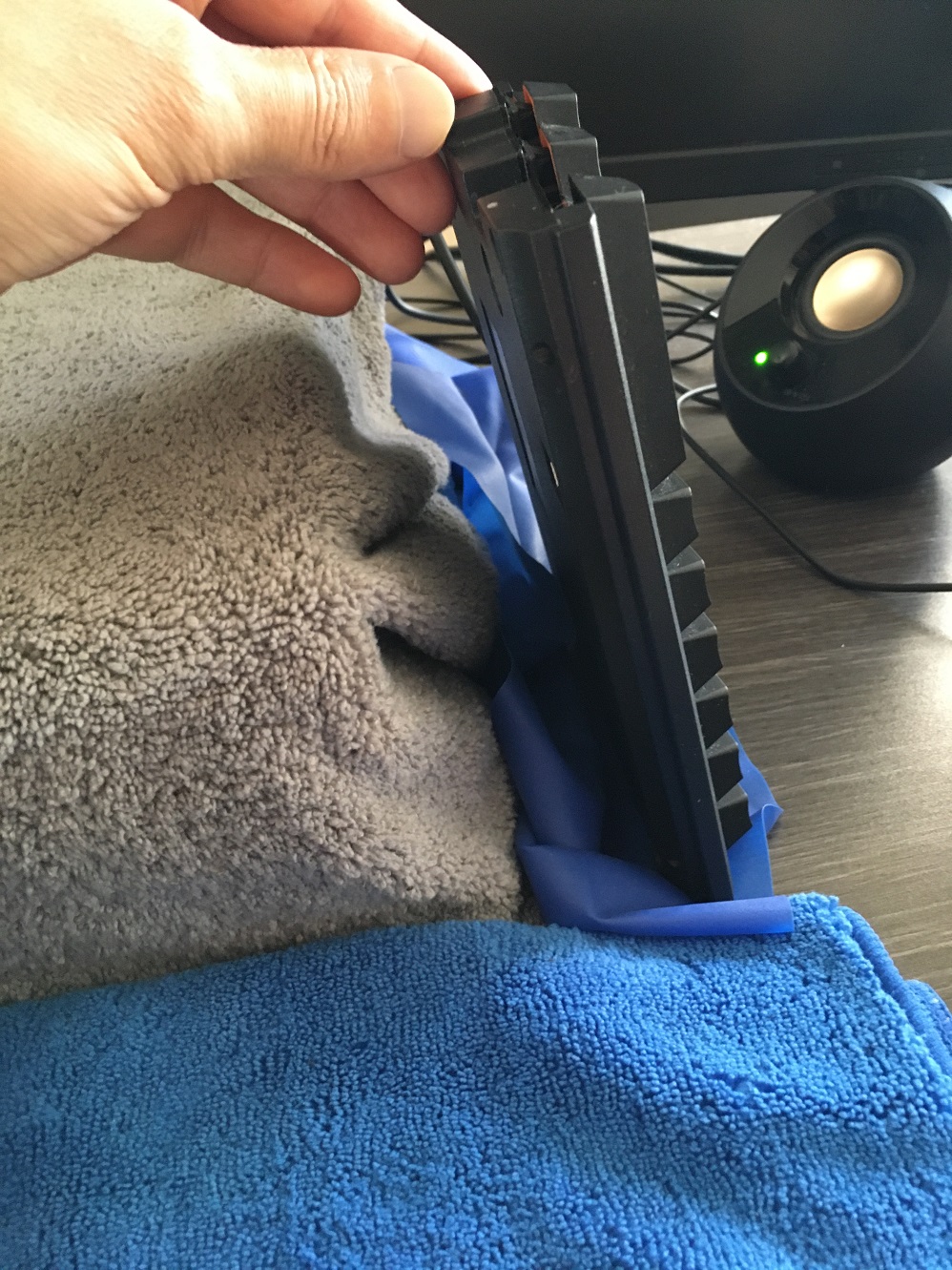
With the keyboards propped, cables are run to a central hub. The center Kensington Orbit is utilized specifically for its low-actuation-force buttons, reducing the "click fatigue" that often contributes to RSI.


The riser system provides secondary utility as a standing-height writing surface or a "clean zone" for meals. This allows for continuous productivity without sacrificing hardware safety or ergonomic posture.


Next Milestone: Deep Dive: Kensington Trackballs & Pressure Dynamics →